
Overview
The vulnerability CVE-2023-50020 is an important issue that affects open5gs v2.6.6. The use of SIGPIPE can potentially crash the AMF, leading to system compromise or data leakage. The affected systems are at a high risk due to the severity of the vulnerability. It is critical that organizations using open5gs v2.6.6 address this vulnerability promptly to avoid potential security breaches.
Vulnerability Summary
CVE ID: CVE-2023-50020
Severity: High (7.5 CVSS Score)
Attack Vector: Network
Privileges Required: None
User Interaction: None
Impact: Potential system compromise or data leakage
Affected Products
 Escape the Surveillance Era
Most apps won’t tell you the truth.
They’re part of the problem.
Phone numbers. Emails. Profiles. Logs.
It’s all fuel for surveillance.
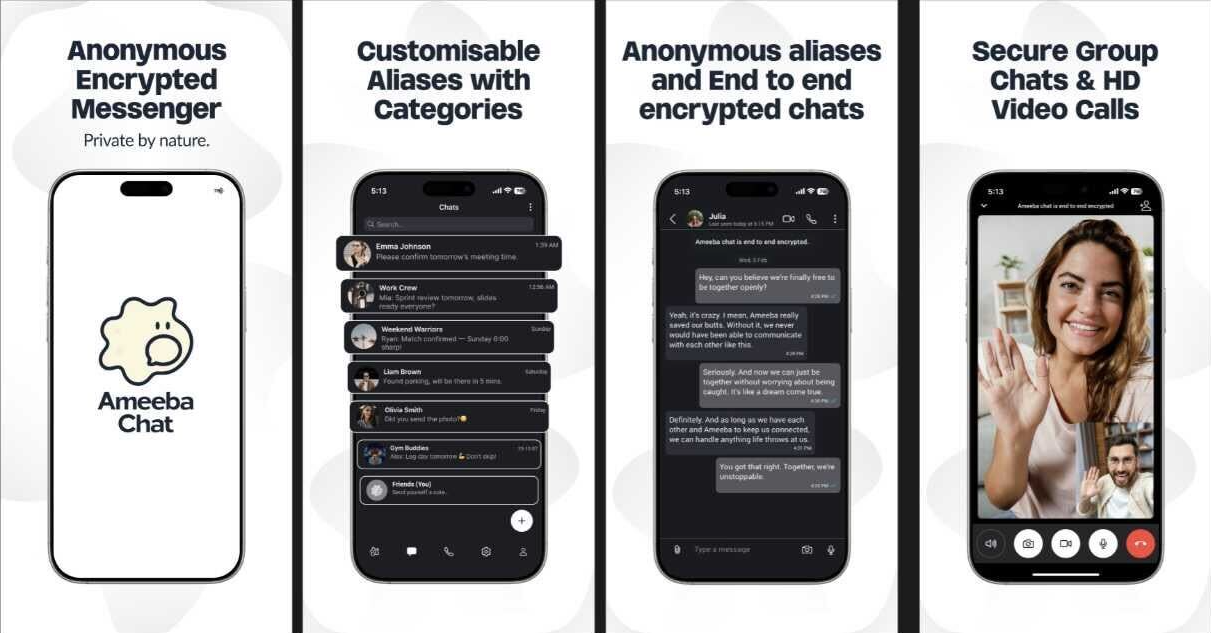
Ameeba Chat gives you a way out.
- • No phone number
- • No email
- • No personal info
- • Anonymous aliases
- • End-to-end encrypted
Chat without a trace.
Product | Affected Versions
Open5GS | v2.6.6
How the Exploit Works
The vulnerability lies in the handling of the SIGPIPE signal within the open5gs v2.6.6 AMF. If an attacker sends a SIGPIPE signal to the AMF, it can crash the system, potentially leading to system compromise or data leakage. This flaw can be exploited remotely without requiring any user interaction or system privileges.
Conceptual Example Code
While the exact exploitation steps may vary, a conceptual example of how the vulnerability might be exploited is provided below:
#!/bin/bash
# Connect to the target system
nc -nv target.example.com 3868
# Send the SIGPIPE signal
kill -SIGPIPE `pidof amf`
This script connects to the target system and sends a SIGPIPE signal to the AMF process, causing it to crash and potentially leading to system compromise or data leakage.
Mitigation Guidance
To mitigate this vulnerability, it is recommended to apply the vendor patch as soon as it becomes available. In the meanwhile, the use of a Web Application Firewall (WAF) or Intrusion Detection System (IDS) can provide temporary mitigation. Regularly updating and patching systems, as well as monitoring for unusual network activity, can help prevent exploitation of this vulnerability.
