
Overview
This report provides an in-depth analysis of a significant vulnerability identified as CVE-2023-49568. This vulnerability primarily affects applications using go-git versions prior to v5.11, making them susceptible to Denial of Service (DoS) attacks. It is crucial to understand and address this vulnerability promptly due to its potential to compromise systems and lead to data leakage.
Vulnerability Summary
CVE ID: CVE-2023-49568
Severity: High, CVSS Score 7.5
Attack Vector: Network
Privileges Required: None
User Interaction: None
Impact: Denial of Service, potential system compromise or data leakage
Affected Products
 Escape the Surveillance Era
Most apps won’t tell you the truth.
They’re part of the problem.
Phone numbers. Emails. Profiles. Logs.
It’s all fuel for surveillance.
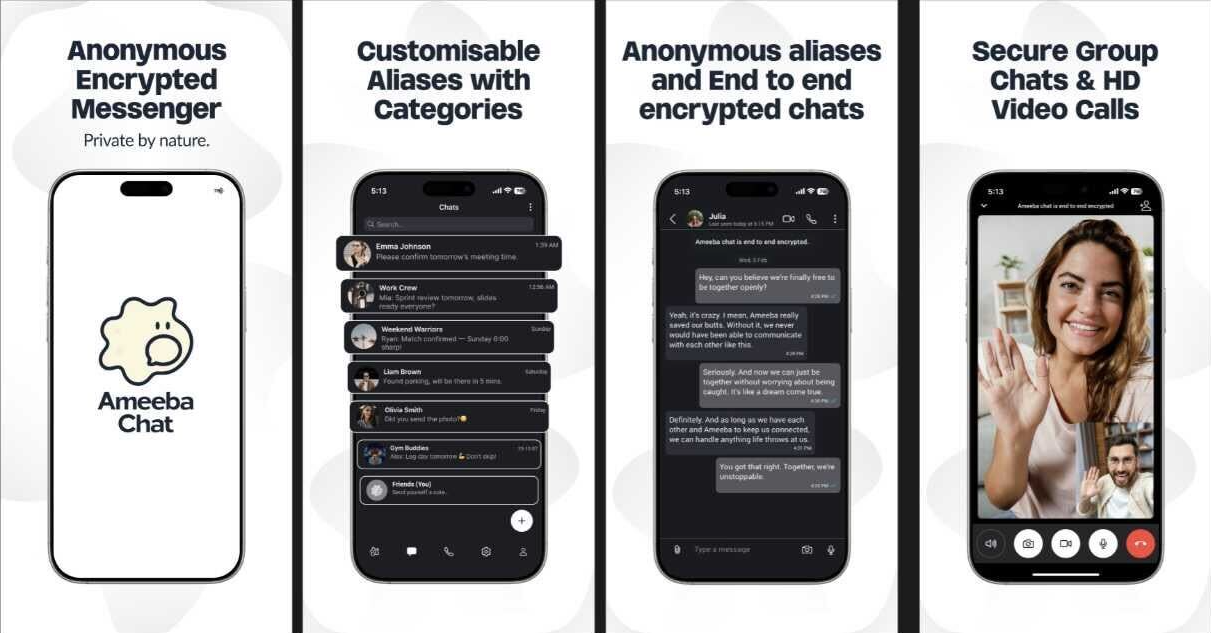
Ameeba Chat gives you a way out.
- • No phone number
- • No email
- • No personal info
- • Anonymous aliases
- • End-to-end encrypted
Chat without a trace.
Product | Affected Versions
go-git | Prior to v5.11
How the Exploit Works
The vulnerability involves the ability for an attacker to provide specially crafted responses from a Git server, which triggers resource exhaustion in go-git clients. This is primarily a go-git implementation issue and does not affect the upstream git cli. Applications using only the in-memory filesystem supported by go-git are not affected by this vulnerability.
Conceptual Example Code
Below is a conceptual example of how an attacker might exploit this vulnerability. This pseudocode demonstrates a malicious payload sent from a Git server to a go-git client, leading to resource exhaustion.
class MaliciousServer:
def craft_response(self):
# Craft a response that triggers resource exhaustion in go-git clients
response = {
"resource": "overload",
}
return response
class VulnerableClient:
def process_response(self, response):
# Processing this response leads to resource exhaustion
process(response)
Please note that this is a simplified conceptual example and the actual code may vary significantly.
Recommendations for Mitigation
To mitigate this vulnerability, apply the vendor patch as soon as it is available. In the interim, using a Web Application Firewall (WAF) or Intrusion Detection System (IDS) can serve as a temporary mitigation measure.
