
Overview
CVE-2023-49552 is a severe vulnerability in Cesanta mjs 2.20.0, which exposes systems to potential compromise and data leakage. This vulnerability is exploitable by remote attackers and can lead to system-wide denial of service. Given the severity of this CVE and its potential impact on system function, it is of paramount importance to address it promptly.
Vulnerability Summary
CVE ID: CVE-2023-49552
Severity: High (7.5 CVSS)
Attack Vector: Network
Privileges Required: None
User Interaction: None
Impact: System-wide denial of service, potential system compromise, and data leakage
Affected Products
 Escape the Surveillance Era
Most apps won’t tell you the truth.
They’re part of the problem.
Phone numbers. Emails. Profiles. Logs.
It’s all fuel for surveillance.
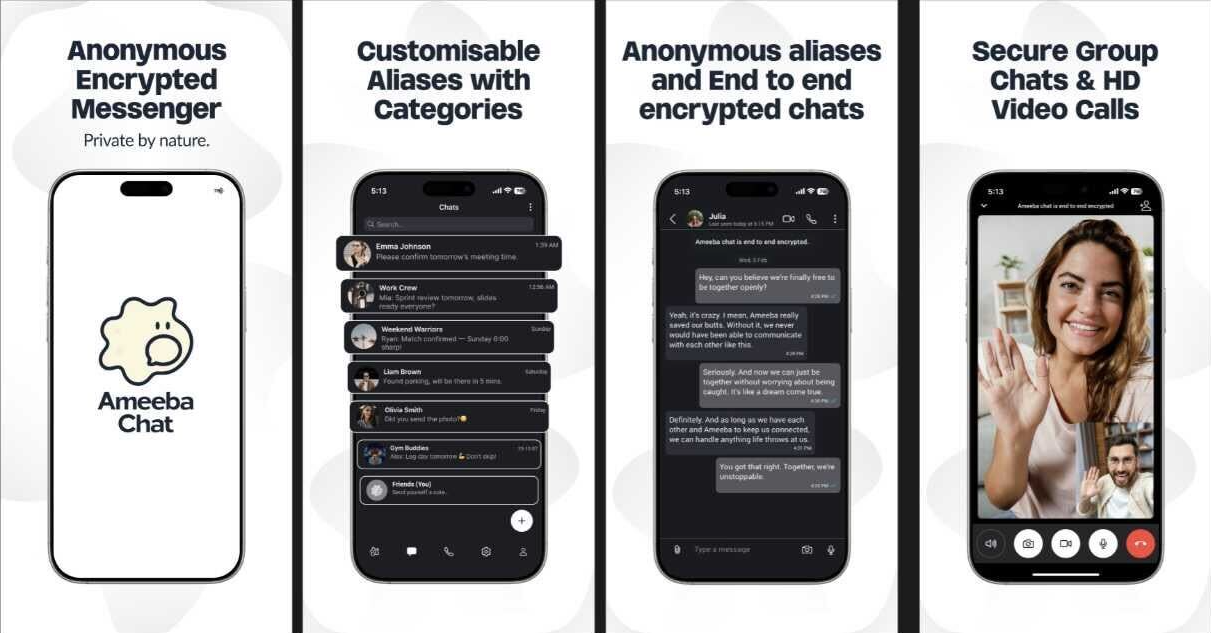
Ameeba Chat gives you a way out.
- • No phone number
- • No email
- • No personal info
- • Anonymous aliases
- • End-to-end encrypted
Chat without a trace.
Product | Affected Versions
Cesanta mjs | 2.20.0
How the Exploit Works
The vulnerability hinges on an Out of Bounds Write in Cesanta mjs 2.20.0. A remote attacker can exploit this vulnerability by sending specially crafted data to the ‘mjs_op_json_stringify’ function in the ‘mjs.c’ file. This malicious data could cause the system to write data beyond the boundary of allocated memory. This action can disrupt system processes, leading to a denial of service, potential system compromise, and data leakage.
Conceptual Example Code
To exploit this vulnerability, an attacker might send a JSON object with specifically crafted data that would lead the system to write outside the allocated memory bounds. A conceptual example of a malicious HTTP request might look like this:
POST /mjs_op_json_stringify HTTP/1.1
Host: target.example.com
Content-Type: application/json
{ "malicious_payload": "Exploit code causing Out of Bounds Write" }
This payload would force the system to perform an Out of Bounds Write, triggering the vulnerability and causing the desired disruptive effect.
Mitigation Guidance
The most effective mitigation against this vulnerability is to apply the patch provided by the vendor. If the patch cannot be applied immediately, using Web Application Firewalls (WAF) or Intrusion Detection Systems (IDS) can provide temporary mitigation. These systems can be configured to detect and block the specific exploit patterns associated with this vulnerability.
