
Overview
The vulnerability, known as CVE-2023-49549, impacts Cesanta mjs 2.20.0. It allows a remote attacker to cause a denial of service attack through the mjs_getretvalpos function in the mjs.c file. This has potential wide-ranging effects, impacting the availability of services that use the Cesanta mjs and potentially leading to system compromise or data leakage.
Vulnerability Summary
CVE ID: CVE-2023-49549
Severity: High (CVSS: 7.5)
Attack Vector: Network
Privileges Required: None
User Interaction: None
Impact: Execution of unauthorized code or instructions, potential system compromise, and data leakage.
Affected Products
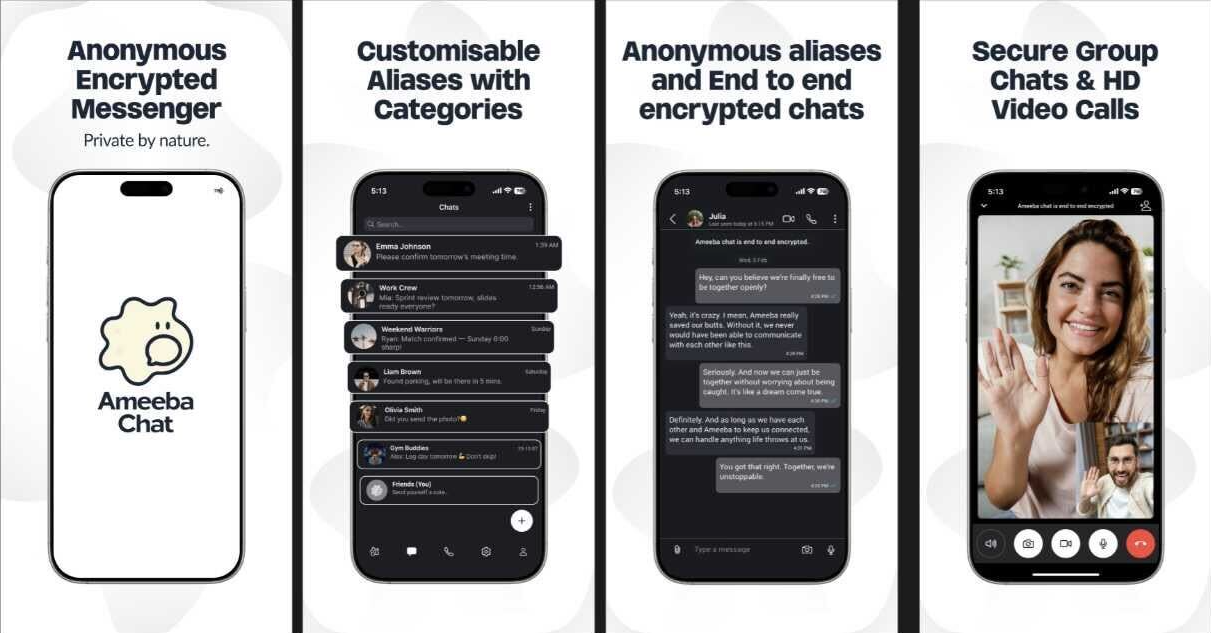
 Escape the Surveillance Era
Most apps won’t tell you the truth.
They’re part of the problem.
Phone numbers. Emails. Profiles. Logs.
It’s all fuel for surveillance.
Ameeba Chat gives you a way out.
- • No phone number
- • No email
- • No personal info
- • Anonymous aliases
- • End-to-end encrypted
Chat without a trace.
Product | Affected Versions
Cesanta mjs | 2.20.0
How the Exploit Works
A malicious actor can exploit this vulnerability by sending a specially crafted request to the target system. This request triggers a flaw in the mjs_getretvalpos function in the mjs.c file, causing an unexpected behavior in the Cesanta mjs, leading to a denial of service. The exploitation could also lead to unauthorized execution of code leading to system compromise or data leakage.
Conceptual Example Code
The following pseudocode illustrates a conceptual example of how the vulnerability might be exploited. This is a simplified representation and actual exploitation may require more complex steps.
POST /mjs_function/mjs_getretvalpos HTTP/1.1
Host: target.example.com
Content-Type: application/json
{ "malicious_payload": "specially_crafted_request" }
In the real-world scenario, the “specially_crafted_request” would be designed to trigger the vulnerability in the mjs_getretvalpos function, causing the denial of service.
Mitigation
Users are advised to apply the vendor-supplied patch to remediate this vulnerability. If the patch cannot be applied immediately, the use of a Web Application Firewall (WAF) or Intrusion Detection System (IDS) as temporary mitigation is recommended. These tools can be configured to detect and block attempts to exploit this vulnerability.
