
Overview
The cybersecurity landscape has been hit by a new vulnerability, identified as CVE-2023-49427. This vulnerability is a Buffer Overflow bug that impacts the Tenda AX12 router, specifically version V22.03.01.46. It poses a significant threat as it allows remote attackers to launch a denial of service (DoS) attack via a specific list parameter in the SetNetControlList function. This vulnerability has the potential to compromise systems and leak sensitive data, emphasizing the necessity for immediate action.
Vulnerability Summary
CVE ID: CVE-2023-49427
Severity: High (7.5 CVSS Score)
Attack Vector: Network
Privileges Required: None
User Interaction: None
Impact: Denial of Service attack, potential system compromise, and data leakage
Affected Products
 Escape the Surveillance Era
Most apps won’t tell you the truth.
They’re part of the problem.
Phone numbers. Emails. Profiles. Logs.
It’s all fuel for surveillance.
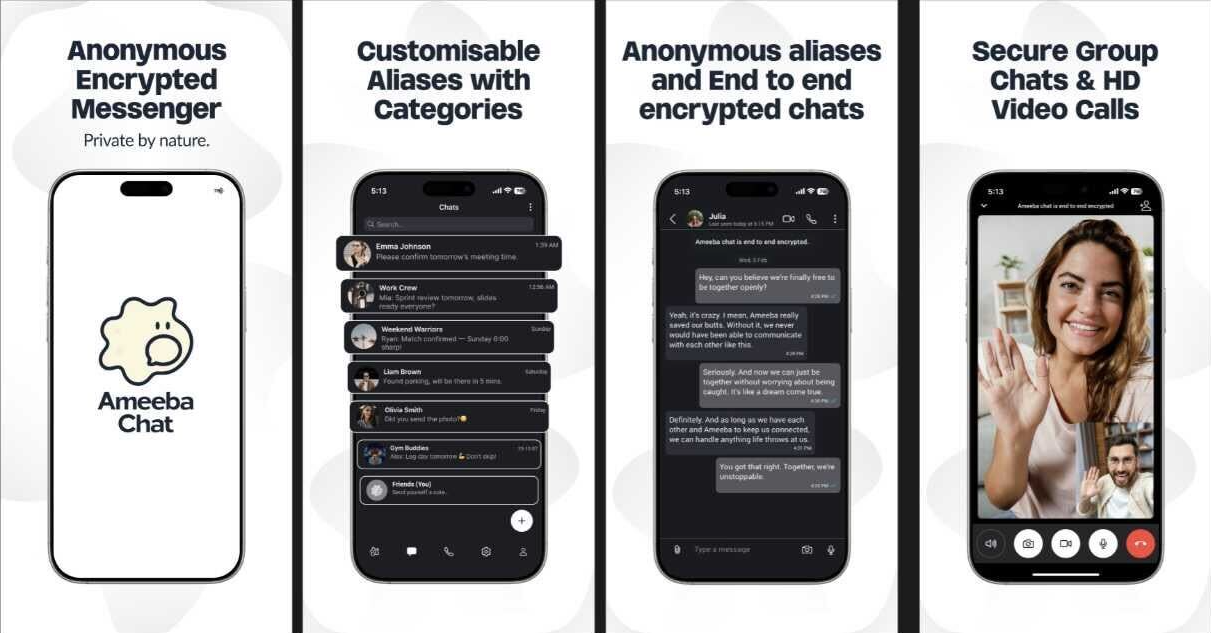
Ameeba Chat gives you a way out.
- • No phone number
- • No email
- • No personal info
- • Anonymous aliases
- • End-to-end encrypted
Chat without a trace.
Product | Affected Versions
Tenda AX12 | V22.03.01.46
How the Exploit Works
The vulnerability lies within the SetNetControlList function of the Tenda AX12’s firmware. The function does not adequately check the size of user input in the ‘list’ parameter. This lack of boundary checking allows an attacker to supply a larger-than-expected payload, causing a buffer overflow. Consequently, the overflow can be used to cause a DoS attack, crash the system, or potentially inject malicious code.
Conceptual Example Code
A conceptual exploit of this vulnerability might look like the following HTTP request, where the ‘list’ parameter contains an oversized payload:
POST /SetNetControlList HTTP/1.1
Host: target.example.com
Content-Type: application/json
{
"list": "AAAAAAAAAAAAAAAAAAAAAAAAAAAAAAAAAAAAAAAAAAAAAAAAAA...(continues)"
}
In the above pseudocode example, the ‘list’ parameter is filled with an excessive amount of data, which could potentially overflow the buffer and lead to the execution of malicious code or cause a system crash, resulting in a DoS attack.
Mitigation
To remediate this vulnerability, users are advised to apply the latest patch released by the vendor. If no patch is available, a Web Application Firewall (WAF) or an Intrusion Detection System (IDS) can be used as a temporary mitigation measure to monitor and block potential attacks exploiting this vulnerability. Furthermore, limiting the size of accepted input, or implementing a proper boundary check, can provide an additional layer of protection.
