
Overview
The vulnerability CVE-2023-49252 is a serious security flaw identified in SIMATIC CN 4100, potentially impacting all versions below V2.7. This vulnerability matters because it permits unauthorized IP configuration changes, which could lead to a denial of service condition and potentially cause system compromise or data leakage.
Vulnerability Summary
CVE ID: CVE-2023-49252
Severity: High (7.5 CVSS Score)
Attack Vector: Network
Privileges Required: None
User Interaction: None
Impact: Denial of service, potential system compromise, and possible data leakage.
Affected Products
 Escape the Surveillance Era
Most apps won’t tell you the truth.
They’re part of the problem.
Phone numbers. Emails. Profiles. Logs.
It’s all fuel for surveillance.
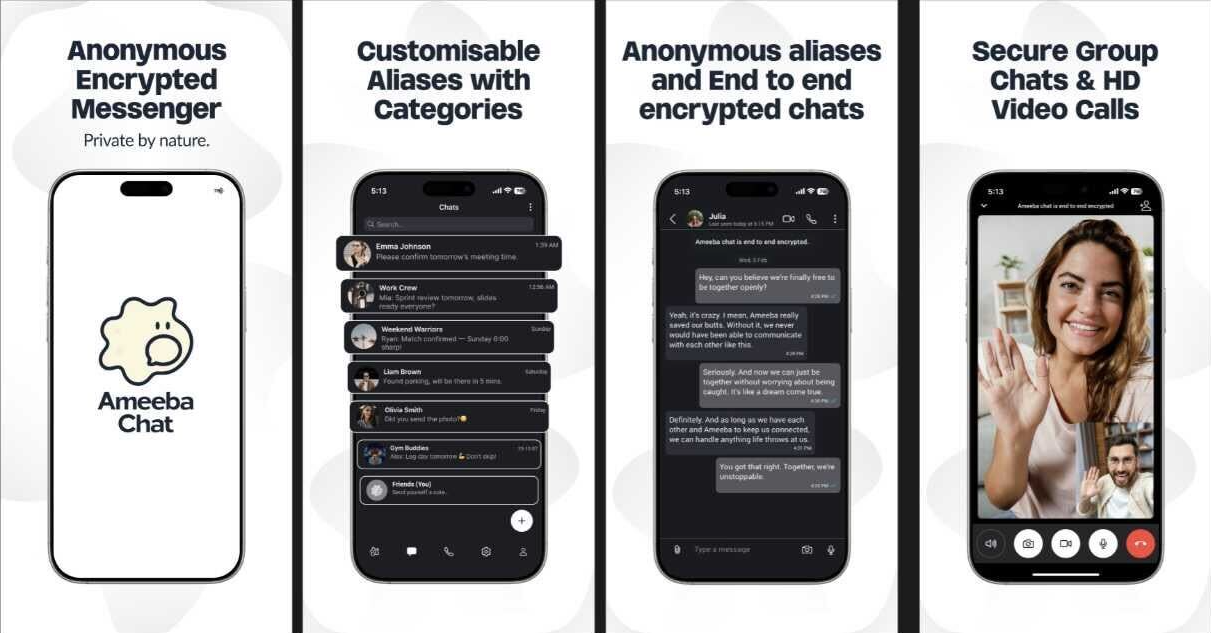
Ameeba Chat gives you a way out.
- • No phone number
- • No email
- • No personal info
- • Anonymous aliases
- • End-to-end encrypted
Chat without a trace.
Product | Affected Versions
SIMATIC CN 4100 | All versions < V2.7 How the Exploit Works
The exploit works by allowing unauthorized users to change the IP configuration of the affected application without needing authentication. This could potentially lead to an attacker causing a denial of service condition by manipulating the system’s IP configuration to disrupt its normal operations. In worst-case scenarios, an attacker may also exploit this vulnerability further to compromise the system or leak sensitive data.
Conceptual Example Code
Here’s a conceptual example of how the vulnerability might be exploited:
POST /config/ip HTTP/1.1
Host: simaticcn4100.example.com
Content-Type: application/json
{
"ip_address": "192.0.2.0",
"subnet_mask": "255.255.255.0",
"default_gateway": "192.0.2.1"
}
In this example, a malicious actor sends an HTTP POST request to change the IP configuration of the device without any need for authentication. This request could be used to disrupt the system’s operations or even compromise it entirely.
Mitigation Guidance
To mitigate this vulnerability, users are advised to apply the vendor patch as soon as it becomes available. In the meantime, users can use Web Application Firewalls (WAF) or Intrusion Detection Systems (IDS) as temporary mitigation strategies to monitor and block suspicious activities.
