
Overview
CVE-2023-4812 is a recently discovered security vulnerability that affects multiple versions of GitLab Enterprise Edition (EE). This vulnerability could allow an attacker to bypass the required CODEOWNERS approval process by adding changes to a previously approved merge request. As a result, unauthorized changes may be made, leading to potential system compromise or data leakage. This report aims to provide a detailed analysis of this vulnerability and offer mitigation guidance.
Vulnerability Summary
CVE ID: CVE-2023-4812
Severity: High (CVSS: 7.6)
Attack Vector: Network
Privileges Required: Low
User Interaction: None
Impact: System compromise, potential data leakage
Affected Products
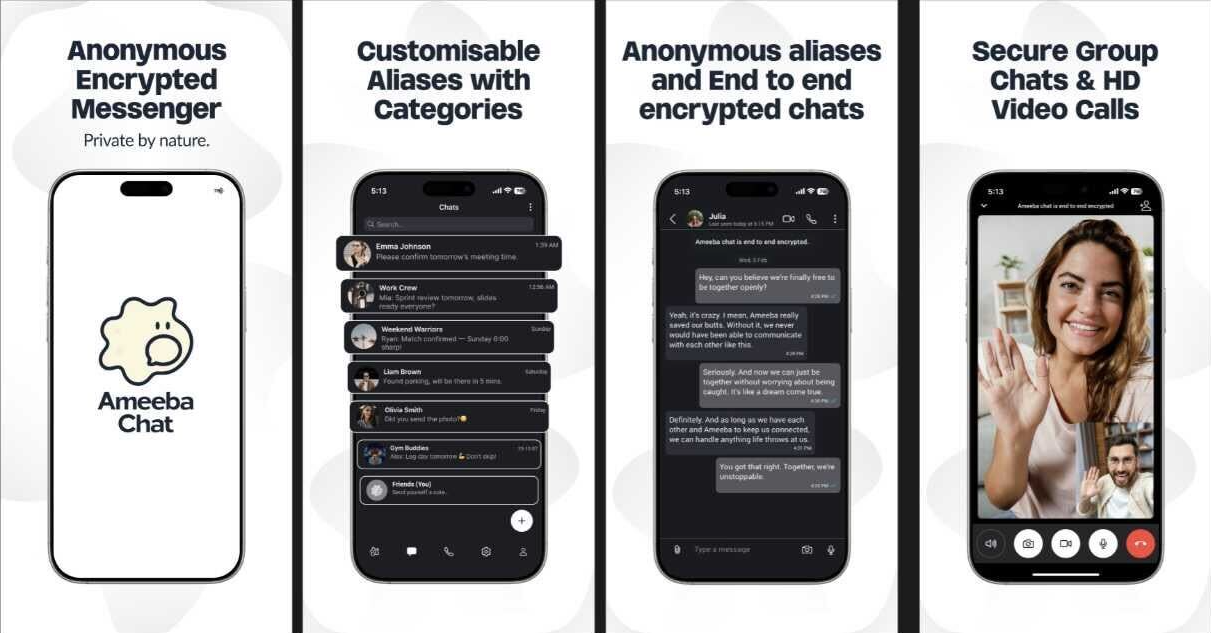
 Escape the Surveillance Era
Most apps won’t tell you the truth.
They’re part of the problem.
Phone numbers. Emails. Profiles. Logs.
It’s all fuel for surveillance.
Ameeba Chat gives you a way out.
- • No phone number
- • No email
- • No personal info
- • Anonymous aliases
- • End-to-end encrypted
Chat without a trace.
Product | Affected Versions
GitLab EE | 15.3 – 16.5.5
GitLab EE | 16.6 – 16.6.3
GitLab EE | 16.7 – 16.7.1
How the Exploit Works
The vulnerability is exploited when an attacker adds changes to an already approved merge request. As the request is already approved, it bypasses the necessary CODEOWNERS approval. This allows the attacker to implement potentially malicious changes without detection, leading to unauthorized access, system compromise, or data leakage.
Conceptual Example Code
Below is a conceptual example of how the vulnerability might be exploited:
git checkout -b new-branch
git add malicious_change
git commit -m "Add changes to approved merge request"
git push origin new-branch
In this example, “malicious_change” could be any change that would negatively impact the system or lead to data leakage. The attacker then pushes the change to the server under a new branch, potentially bypassing the CODEOWNERS approval process.
Mitigation
The vendor has released a patch to mitigate this vulnerability. Updating GitLab EE to the latest version (16.7.2 or later) is strongly recommended. If patching is not immediately possible, the use of a Web Application Firewall (WAF) or Intrusion Detection System (IDS) can provide temporary mitigation by monitoring and potentially blocking malicious activity.
