
Overview
The cybersecurity landscape is constantly changing with new vulnerabilities discovered regularly. One recent discovery is CVE-2023-45723, a path traversal vulnerability affecting HCL DRYiCE MyXalytics. This vulnerability poses a significant risk as it could potentially allow unauthorized users to compromise the system or leak data. It is critical for organizations using this software to understand the threat and take appropriate action to mitigate it.
Vulnerability Summary
CVE ID: CVE-2023-45723
Severity: High (7.6 CVSS Score)
Attack Vector: Network
Privileges Required: Low
User Interaction: None
Impact: System compromise or data leakage
Affected Products
 Escape the Surveillance Era
Most apps won’t tell you the truth.
They’re part of the problem.
Phone numbers. Emails. Profiles. Logs.
It’s all fuel for surveillance.
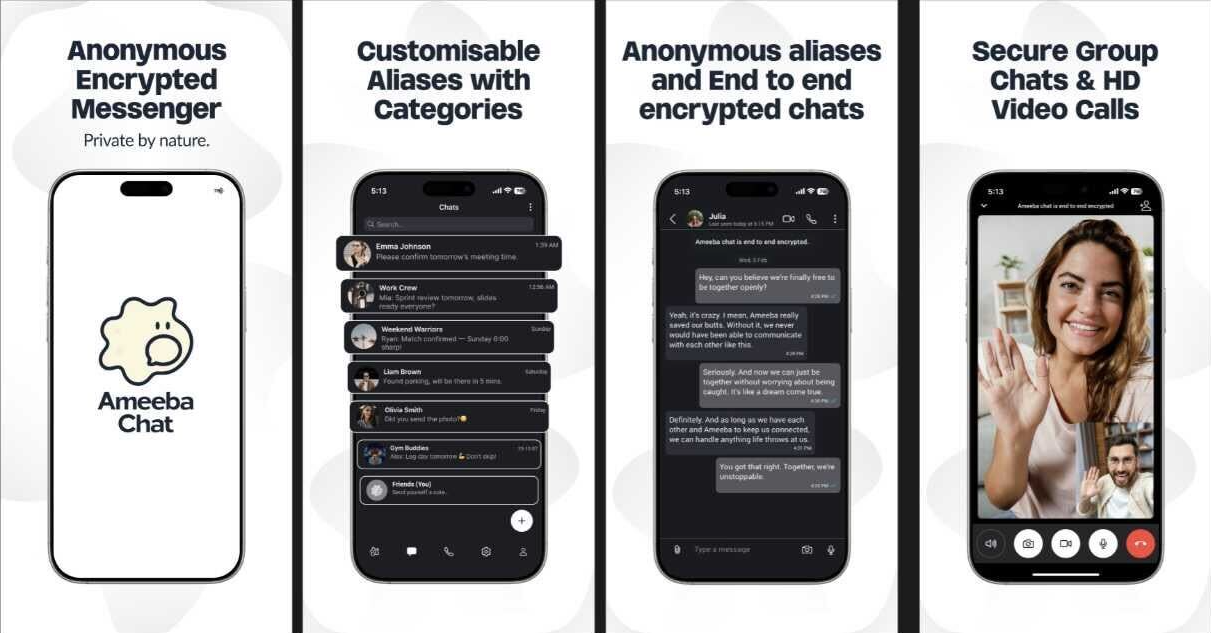
Ameeba Chat gives you a way out.
- • No phone number
- • No email
- • No personal info
- • Anonymous aliases
- • End-to-end encrypted
Chat without a trace.
Product | Affected Versions
HCL DRYiCE MyXalytics | All prior versions
How the Exploit Works
The vulnerability lies in the file upload feature of HCL DRYiCE MyXalytics. Certain endpoints within the system allow users to manipulate the path, including the filename, where these files are stored on the server. This path traversal vulnerability could be exploited by a malicious user to upload files to unintended directories, potentially leading to unauthorized access to sensitive data or even full system compromise.
Conceptual Example Code
Here’s a conceptual example of how an attacker might exploit this vulnerability in an HTTP request:
POST /file_upload_endpoint HTTP/1.1
Host: target.example.com
Content-Type: application/json
{
"filename": "../../../../etc/passwd",
"file_content": "malicious_content"
}
In this example, the attacker uses the filename field to navigate up the directory tree (using “../”) to the /etc/passwd file, a critical file in Unix-based systems. If successful, this could overwrite the file with malicious content, potentially compromising the system.
Mitigation
Users are advised to apply the latest patch provided by the vendor. In case the patch cannot be applied immediately, using a Web Application Firewall (WAF) or Intrusion Detection System (IDS) can serve as temporary mitigation. However, these are not long-term solutions and it is strongly recommended to apply the patch as soon as possible to prevent potential exploitation.
