
Overview
The Common Vulnerabilities and Exposures (CVE) system has identified a significant security risk dubbed “CVE-2023-4566”. This vulnerability pertains to the potential inaccuracy of trust relationships in distributed scenarios. This flaw is of particular concern to organizations with distributed systems as successful exploitation can lead to service confidentiality compromises, possibly leading to system breaches or data leakage.
Vulnerability Summary
CVE ID: CVE-2023-4566
Severity: High (CVSS: 7.5)
Attack Vector: Network
Privileges Required: Low
User Interaction: None
Impact: Potential system compromise or data leakage
Affected Products
 Escape the Surveillance Era
Most apps won’t tell you the truth.
They’re part of the problem.
Phone numbers. Emails. Profiles. Logs.
It’s all fuel for surveillance.
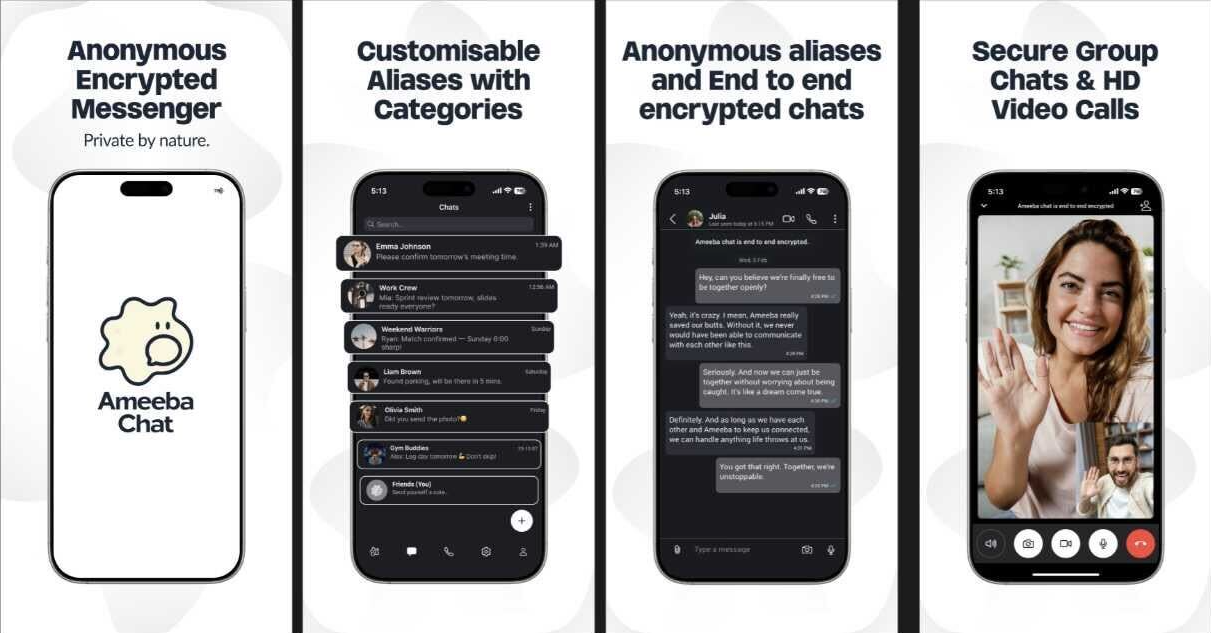
Ameeba Chat gives you a way out.
- • No phone number
- • No email
- • No personal info
- • Anonymous aliases
- • End-to-end encrypted
Chat without a trace.
Product | Affected Versions
[Product A] | [Version X]
[Product B] | [Version Y]
How the Exploit Works
The vulnerability exploits the trust relationships in distributed systems. In a typical scenario, multiple systems communicate and share resources based on a trust relationship. In the case of CVE-2023-4566, an attacker can manipulate these trust relationships, causing them to be inaccurately defined or recognized. This can potentially allow an unauthorized user to gain access to privileged information or even take control of the system.
Conceptual Example Code
Here’s a conceptual example illustrating how this vulnerability might be exploited:
POST /trustRelationship/validate HTTP/1.1
Host: target.example.com
Content-Type: application/json
{
"system_id": "trusted_system_id",
"access_token": "malicious_access_token"
}
In this example, the attacker sends a POST request with a malicious access token for a trusted system ID. If the trust relationship validation is not properly implemented, the system may grant access based on the falsified trust relationship.
Countermeasures and Mitigation
The best course of action to mitigate this vulnerability is to apply vendor-provided patches as soon as they are available. In the interim, organizations can increase their security by implementing a Web Application Firewall (WAF) or Intrusion Detection System (IDS) to monitor and block suspicious activities. Regular auditing of trust relationships in distributed systems can also help identify and rectify any inaccuracies in a timely manner.
