
Overview
The vulnerability, CVE-2023-45139, pertains to an issue in the popular Python library, fontTools. This is used widely for manipulating fonts and has a significant user base across many sectors. The vulnerability, specifically an XML External Entity (XXE) Injection, exists within the library’s subsetting module. This could potentially lead to system compromise or data leakage if exploited, causing significant security concerns for users of the affected version of the library.
Vulnerability Summary
CVE ID: CVE-2023-45139
Severity: High (7.5)
Attack Vector: Network
Privileges Required: None
User Interaction: None
Impact: Potential system compromise or data leakage
Affected Products
 Escape the Surveillance Era
Most apps won’t tell you the truth.
They’re part of the problem.
Phone numbers. Emails. Profiles. Logs.
It’s all fuel for surveillance.
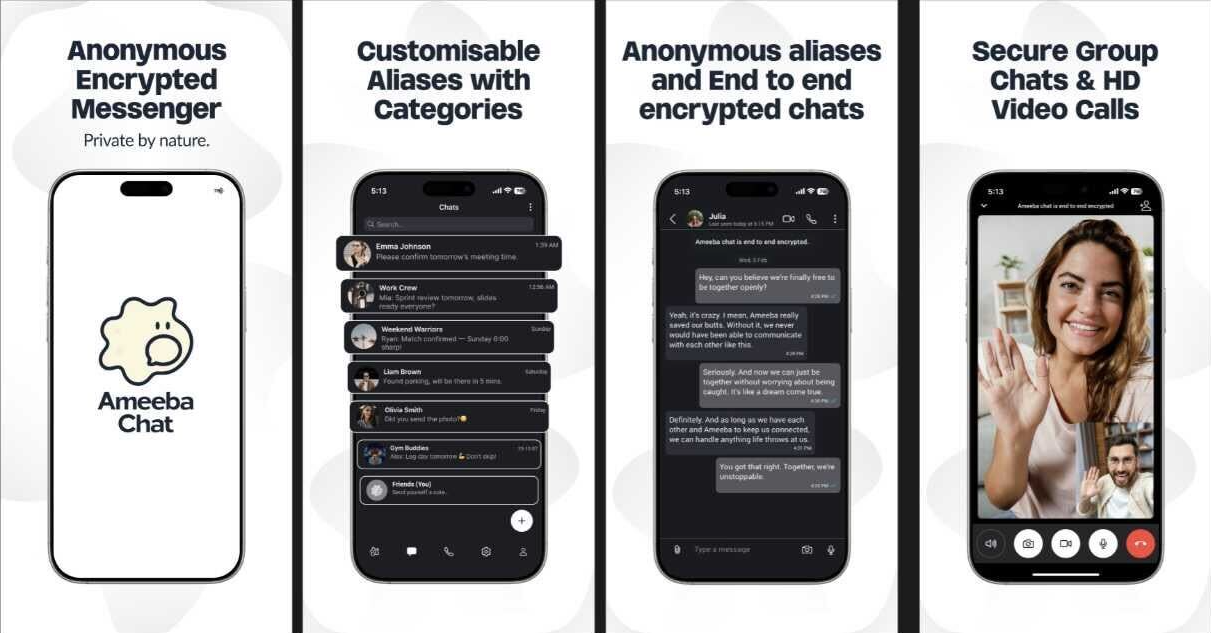
Ameeba Chat gives you a way out.
- • No phone number
- • No email
- • No personal info
- • Anonymous aliases
- • End-to-end encrypted
Chat without a trace.
Product | Affected Versions
fontTools Python Library | Versions before 4.43.0
How the Exploit Works
The vulnerability exploits a flaw in the subsetting module of fontTools. Specifically, the module fails to properly handle XML entities within SVG tables of OT-SVG fonts. As a result, an attacker can manipulate these entities to include arbitrary files from the file system or make web requests from the host system. This could lead to unauthorized access to sensitive data or system compromise.
Conceptual Example Code
The following conceptual example shows how an attacker might exploit this vulnerability:
# Import the vulnerable library
import fontTools
# Load a malicious OT-SVG font with an XML entity pointing to a sensitive file
malicious_font = fontTools.ttLib.TTFont("/path/to/malicious_font.otf")
# Parse the font, triggering the vulnerability
malicious_font.parse()
In this example, the “malicious_font.otf” file contains an SVG table with an XML entity that points to a sensitive file or a remote server. When the `parse()` function is called, the XML entity is resolved, leading to a potential data leak or system compromise.
