
Overview
This report details the vulnerability identified as CVE-2023-44112, a significant flaw resulting in out-of-bounds access within the device authentication module. This vulnerability impacts system confidentiality and can potentially result in system compromise or data leaks, making it a pressing concern for organizations that prioritize data security and integrity.
Vulnerability Summary
CVE ID: CVE-2023-44112
Severity: High (7.5 based on CVSS Severity Score)
Attack Vector: Network
Privileges Required: Low
User Interaction: None
Impact: Successful exploitation may affect system confidentiality, compromise the system, or lead to data leakage.
Affected Products
 Escape the Surveillance Era
Most apps won’t tell you the truth.
They’re part of the problem.
Phone numbers. Emails. Profiles. Logs.
It’s all fuel for surveillance.
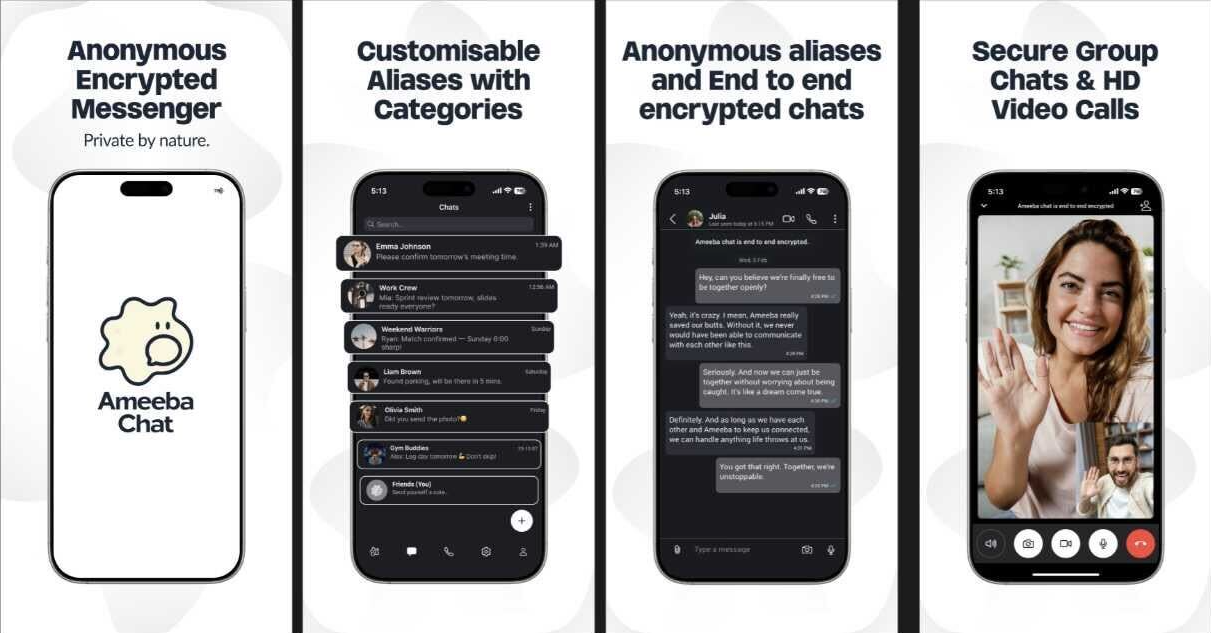
Ameeba Chat gives you a way out.
- • No phone number
- • No email
- • No personal info
- • Anonymous aliases
- • End-to-end encrypted
Chat without a trace.
Product | Affected Versions
Device Authentication Module | All prior versions
How the Exploit Works
The CVE-2023-44112 vulnerability arises from an out-of-bounds access flaw in the device authentication module. By exploiting this vulnerability, an attacker can access and manipulate data that should be outside the program’s control. This unauthorized access and subsequent manipulation can lead to system compromise, data leaks, and a significant breach of confidentiality.
Conceptual Example Code
Below is a conceptual representation of how the vulnerability might be exploited:
POST /auth/device HTTP/1.1
Host: target.example.com
Content-Type: application/json
{ "device_id": "1234567890", "buffer_overrun_payload": "..." }
In the above example, the attacker sends a specially crafted POST request to the `/auth/device` endpoint with a manipulated payload designed to trigger the out-of-bounds vulnerability in the device authentication module.
Mitigation Strategies
To mitigate the risks associated with the CVE-2023-44112 vulnerability, it is recommended to apply the vendor patch as soon as it becomes available. In the interim, implementing a Web Application Firewall (WAF) or Intrusion Detection System (IDS) can serve as a temporary mitigation strategy to detect and prevent the exploitation of this vulnerability.
