
Overview
The CVE-2023-43512 vulnerability is a significant security flaw, primarily affecting systems using GATT services. It becomes a pressing concern when the memory required by multiple services exceeds the actual size of the services buffer, leading to a transient DOS (Denial of Service) condition. The vulnerability is critical due to its potential to compromise systems or lead to data leaks.
Vulnerability Summary
CVE ID: CVE-2023-43512
Severity: High (7.5/10)
Attack Vector: Network
Privileges Required: None
User Interaction: None
Impact: Potential system compromise or data leakage
Affected Products
 Escape the Surveillance Era
Most apps won’t tell you the truth.
They’re part of the problem.
Phone numbers. Emails. Profiles. Logs.
It’s all fuel for surveillance.
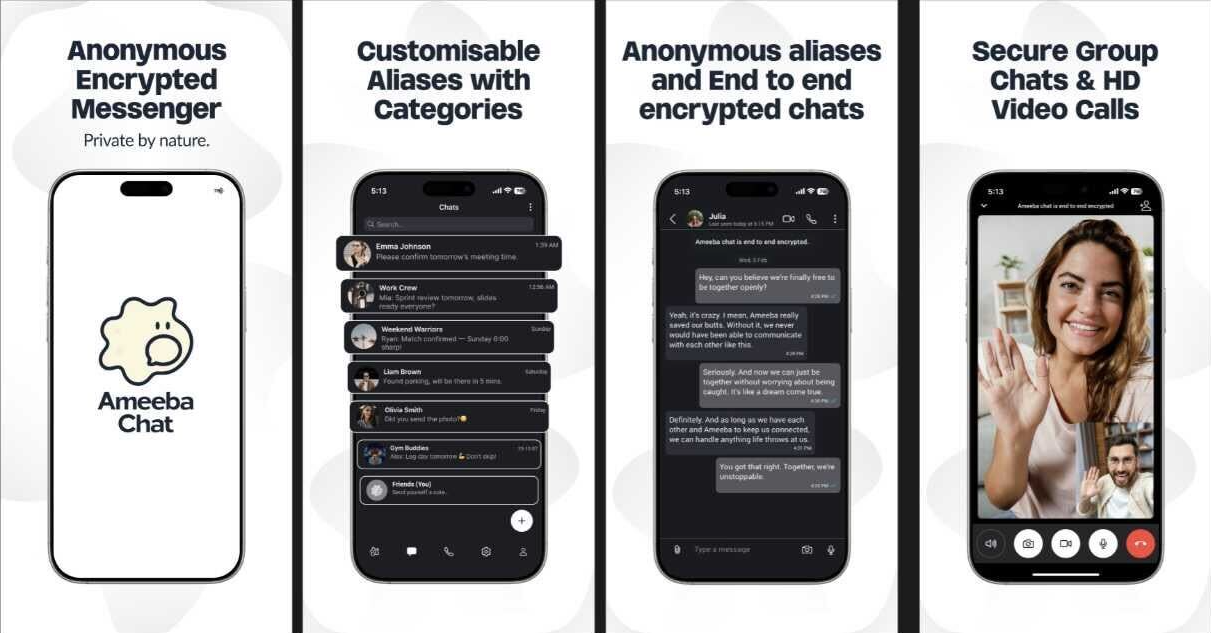
Ameeba Chat gives you a way out.
- • No phone number
- • No email
- • No personal info
- • Anonymous aliases
- • End-to-end encrypted
Chat without a trace.
Product | Affected Versions
Bluetooth GATT | All Versions
How the Exploit Works
An attacker can exploit this vulnerability by sending multiple service requests that collectively consume more memory than the services buffer’s actual size. This overflow causes a transient DOS condition, potentially compromising the system or leading to data leakage.
Conceptual Example Code
Here is a conceptual example of how an attacker might exploit the vulnerability:
POST /GattServiceRequest HTTP/1.1
Host: target.example.com
Content-Type: application/json
{
"service_requests": [
{"request_id": "1", "params": "large amount of data"},
{"request_id": "2", "params": "large amount of data"},
{"request_id": "3", "params": "large amount of data"},
...
]
}
In the above example, the attacker sends numerous service requests, each containing a large amount of data, causing the services buffer to overflow.
Mitigation Guidance
To mitigate this vulnerability, it is highly recommended to apply any vendor-provided patches. If a patch is not available, using a Web Application Firewall (WAF) or Intrusion Detection System (IDS) can provide temporary mitigation by monitoring and blocking suspicious activities related to this exploit.
