
Overview
The vulnerability identified as CVE-2023-43511 is a significant threat to the cybersecurity landscape. It is a Denial of Service (DOS) vulnerability that occurs during the parsing of an IPv6 extension header in the WLAN firmware. Should a system receive an IPv6 packet that contains `IPPROTO_NONE` as the next header, a transient DOS can occur. This vulnerability can lead to potential system compromise, data leakage, and can severely disrupt network services.
Vulnerability Summary
CVE ID: CVE-2023-43511
Severity: High (CVSS score of 7.5)
Attack Vector: Network
Privileges Required: None
User Interaction: None
Impact: A successful exploit can lead to a denial of service, potential system compromise or data leakage.
Affected Products
 Escape the Surveillance Era
Most apps won’t tell you the truth.
They’re part of the problem.
Phone numbers. Emails. Profiles. Logs.
It’s all fuel for surveillance.
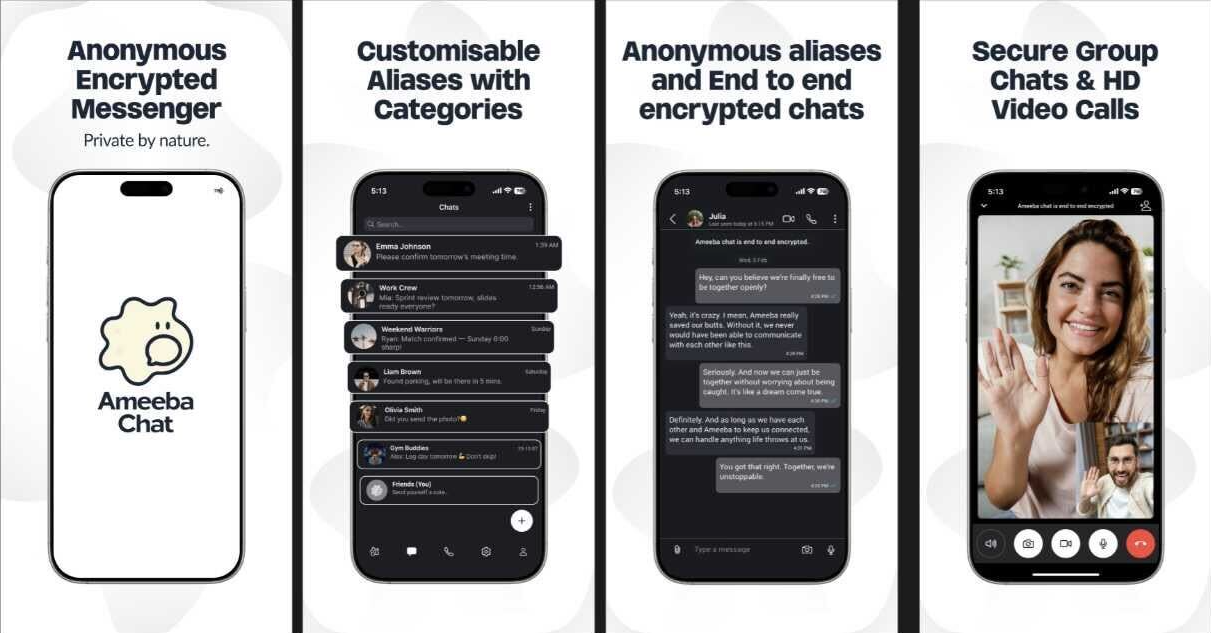
Ameeba Chat gives you a way out.
- • No phone number
- • No email
- • No personal info
- • Anonymous aliases
- • End-to-end encrypted
Chat without a trace.
Product | Affected Versions
WLAN Firmware | All versions prior to the vendor patch
How the Exploit Works
The CVE-2023-43511 vulnerability is exploited when the WLAN firmware receives an IPv6 packet that includes `IPPROTO_NONE` as the next header. The firmware’s failure to handle such packets correctly leads to transient DOS. An attacker can exploit this vulnerability to cause a denial of service, which can further lead to potential system compromise or data leakage.
Conceptual Example Code
An attacker could send specially crafted IPv6 packets to the target system to exploit the vulnerability. This is a conceptual example and does not represent actual exploit code:
#!/bin/bash
# Destination IP address
DEST="2001:0db8:85a3:0000:0000:8a2e:0370:7334"
# Crafted IPv6 packet with IPPROTO_NONE in the next header field
echo -e "`printf '\\x60\\x00\\x00\\x00\\x00\\x00\\x3b\\x00'`" | nc -u -w 1 $DEST 12345
This shell script sends an IPv6 packet with `IPPROTO_NONE` (0x3b) as the next header to the target system, potentially triggering the vulnerability.
