
Overview
CVE-2023-34061 refers to a critical vulnerability in Cloud Foundry routing release versions, specifically those ranging from v0.163.0 to v0.283.0. This vulnerability allows for Denial of Service (DOS) attacks to be carried out by unauthenticated attackers. The successful exploitation of this vulnerability may lead to substantial service degradation and compromise the availability of the Cloud Foundry deployment.
Vulnerability Summary
CVE ID: CVE-2023-34061
Severity: High (7.5 CVSS Score)
Attack Vector: Network
Privileges Required: None
User Interaction: None
Impact: Service degradation, potential system compromise, and data leakage
Affected Products
 Escape the Surveillance Era
Most apps won’t tell you the truth.
They’re part of the problem.
Phone numbers. Emails. Profiles. Logs.
It’s all fuel for surveillance.
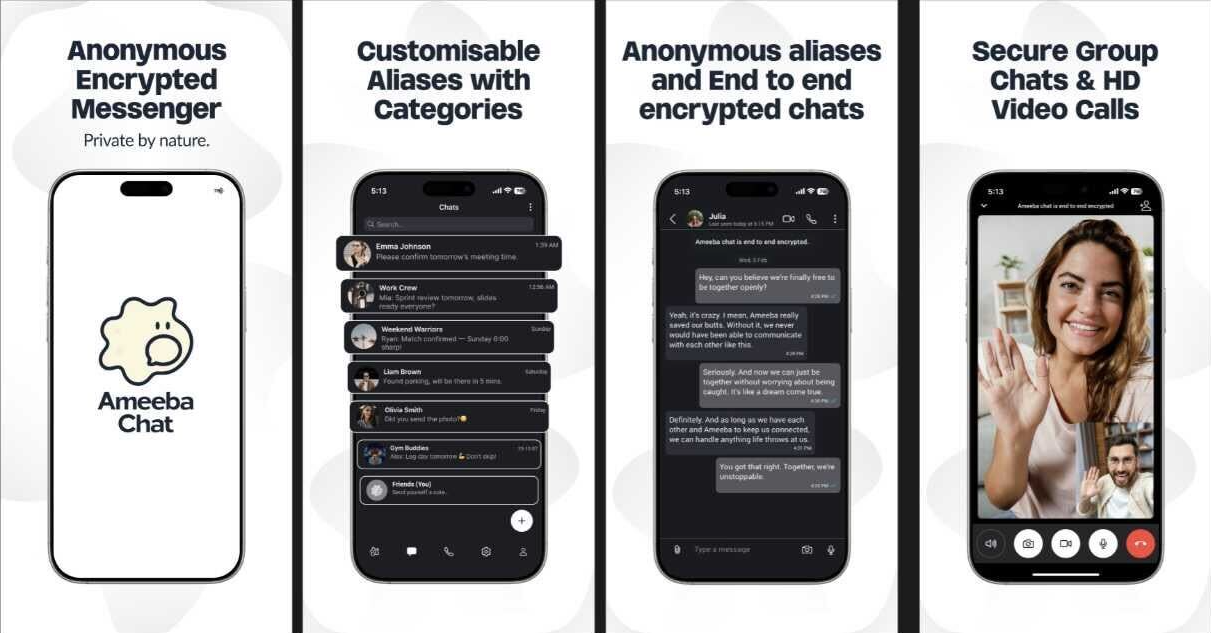
Ameeba Chat gives you a way out.
- • No phone number
- • No email
- • No personal info
- • Anonymous aliases
- • End-to-end encrypted
Chat without a trace.
Product | Affected Versions
Cloud Foundry | v0.163.0 to v0.283.0
How the Exploit Works
An attacker exploiting this vulnerability can send specially crafted requests to the vulnerable Cloud Foundry routing release versions. This forces the system into route pruning, leading to degradation of service availability. Since the attacker requires no authentication, the vulnerability exposes the systems to potential DOS attacks from any malicious actor on the network.
Conceptual Example Code
A potential exploit might involve sending numerous requests to the routing system, causing it to prune routes and degrade service. The example below is a conceptual representation of a malicious HTTP request:
GET /force_route_pruning HTTP/1.1
Host: target.cloudfoundry.com
This request attempts to force route pruning and overload the system, leading to a DOS condition.
Mitigation Guidance
To mitigate this vulnerability, it is recommended to apply the vendor-provided patch as soon as possible. In cases where immediate patching is not feasible, using a Web Application Firewall (WAF) or Intrusion Detection System (IDS) may serve as a temporary mitigation method. These systems can help detect and block malicious traffic attempting to exploit this vulnerability.
