
Overview
The vulnerability, CVE-2023-33109, is a serious cybersecurity threat that triggers a transient Denial of Service (DOS) while processing a WMI P2P listen start command (0xD00A) sent from the host. This vulnerability primarily affects systems utilizing the WMI P2P technology, making them susceptible to potential system compromise or data leakage. The severity and potential impact of this vulnerability make it a significant concern for organizations and individuals alike.
Vulnerability Summary
CVE ID: CVE-2023-33109
Severity: High (CVSS: 7.5)
Attack Vector: Network
Privileges Required: None
User Interaction: None
Impact: Potential system compromise and data leakage
Affected Products
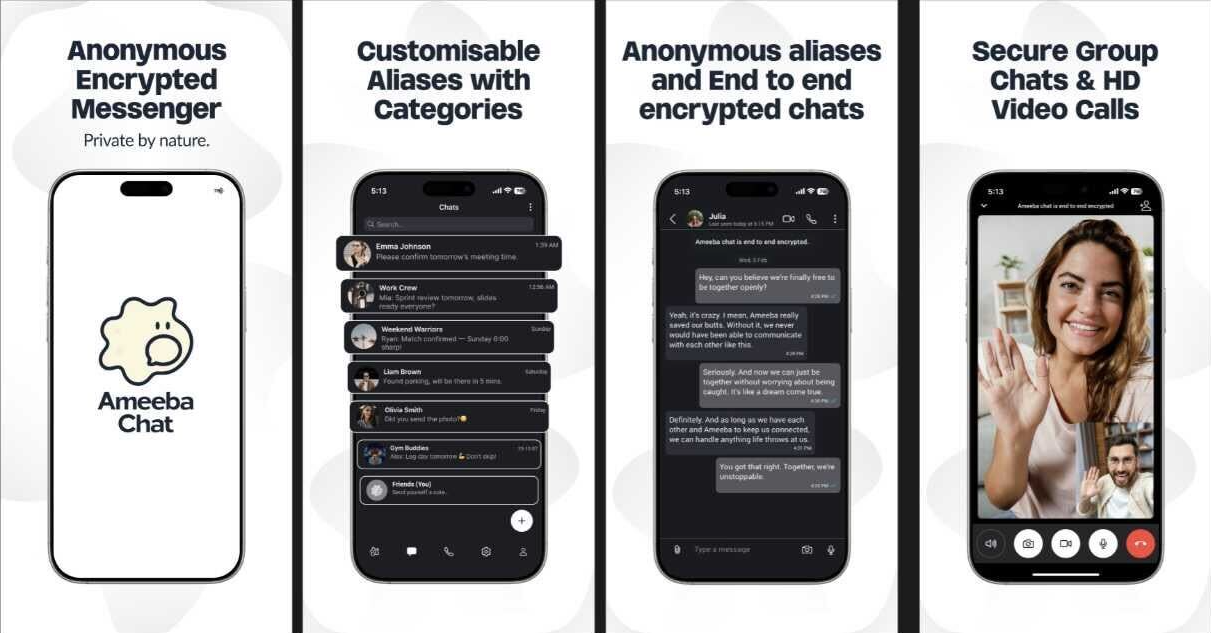
 Escape the Surveillance Era
Most apps won’t tell you the truth.
They’re part of the problem.
Phone numbers. Emails. Profiles. Logs.
It’s all fuel for surveillance.
Ameeba Chat gives you a way out.
- • No phone number
- • No email
- • No personal info
- • Anonymous aliases
- • End-to-end encrypted
Chat without a trace.
Product | Affected Versions
Windows Operating System | All versions with WMI P2P functionality
WMI P2P enabled devices | All versions
How the Exploit Works
The exploit works by sending a specific WMI P2P listen start command (0xD00A) from the host. This command triggers a transient DOS condition in the system’s WMI P2P service. A successful exploitation could potentially lead to a system compromise or data leakage if the attacker leverages the DOS condition to deploy further attacks.
Conceptual Example Code
The following is a conceptual example of how the vulnerability might be exploited:
POST /WMI/P2P/listen/start HTTP/1.1
Host: target.example.com
Content-Type: application/json
{ "command": "0xD00A" }
In this example, the attacker sends a POST request containing the malicious WMI P2P listen start command (0xD00A) to the target system. This command triggers the transient DOS condition, potentially leading to system compromise or data leakage.
Mitigation Guidance
To mitigate the vulnerability, users are advised to apply the vendor-provided patch. Users can also use a Web Application Firewall (WAF) or Intrusion Detection Systems (IDS) as temporary mitigation steps. Regularly updating and patching systems can help prevent exploitation of this and similar vulnerabilities.
