
Overview
The vulnerability CVE-2023-33062 is a security flaw in WLAN firmware that can result in a transient Denial of Service (DOS) when parsing a Beacon Timing Measurement (BTM) request. This vulnerability affects a wide range of devices that use WLAN firmware, including laptops, routers, and IoT devices. The severity of this vulnerability makes it a significant threat to both individual users and organizations, potentially leading to system compromise or data leakage.
Vulnerability Summary
CVE ID: CVE-2023-33062
Severity: High (CVSS Score: 7.5)
Attack Vector: Network
Privileges Required: None
User Interaction: None
Impact: System compromise, potential data leakage
Affected Products
 Escape the Surveillance Era
Most apps won’t tell you the truth.
They’re part of the problem.
Phone numbers. Emails. Profiles. Logs.
It’s all fuel for surveillance.
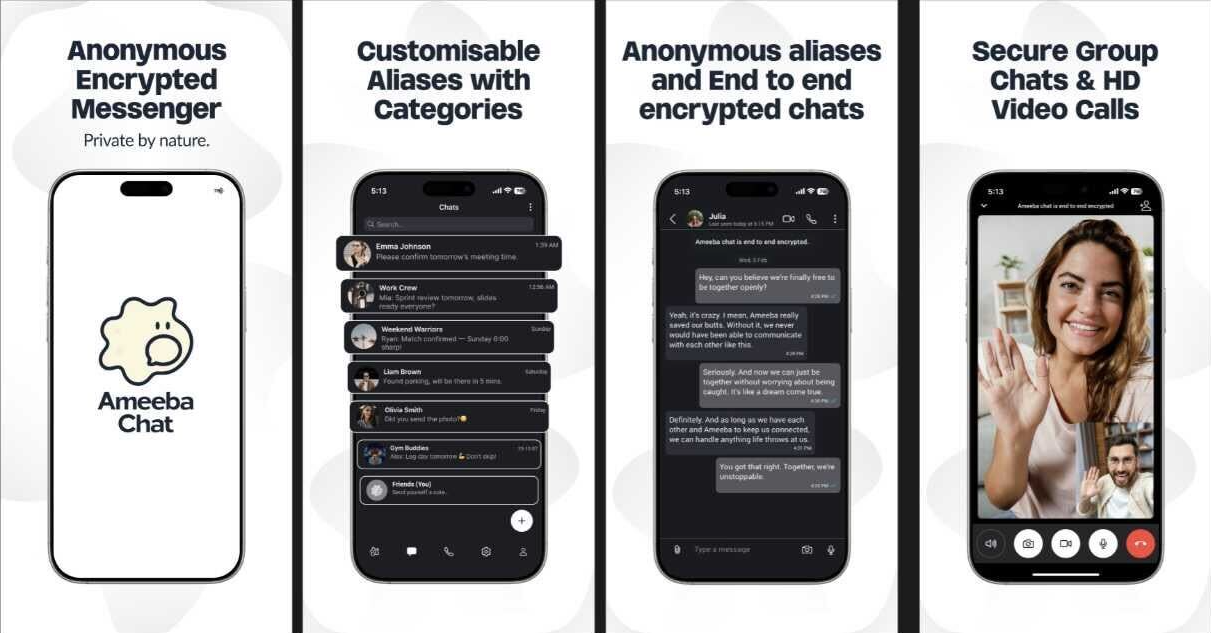
Ameeba Chat gives you a way out.
- • No phone number
- • No email
- • No personal info
- • Anonymous aliases
- • End-to-end encrypted
Chat without a trace.
Product | Affected Versions
WLAN Firmware | Versions prior to patch
How the Exploit Works
The exploit leverages a flaw in the WLAN firmware’s BTM request parser. An attacker can send a specially crafted BTM request that, when parsed by the vulnerable firmware, leads to a transient DOS condition. This DOS condition can disrupt the normal functioning of the device and, in some cases, lead to a complete system compromise or data leakage.
Conceptual Example Code
Below is a conceptual example of a malicious BTM request that could exploit this vulnerability. Note that this is a simplified representation and real-world attacks would be more complex.
POST /BTM-request HTTP/1.1
Host: target.example.com
Content-Type: application/json
{ "malicious_BTM_request": "Crafted sequence causing DOS in WLAN firmware" }
Mitigation Guidance
To mitigate this vulnerability, vendors are advised to apply the latest patches provided by the firmware manufacturer. For temporary mitigation, users can employ a Web Application Firewall (WAF) or an Intrusion Detection System (IDS) to detect and block malicious BTM requests exploiting this vulnerability. However, these measures should be considered as only a temporary solution until the vendor patch can be applied.
