
Overview
CVE-2023-33040 is a severe cybersecurity vulnerability affecting data modems across multiple platforms. It involves a transient Denial of Service (DOS) during the DTLS handshake process, potentially leading to system compromise or data leakage. This vulnerability is especially critical for network service providers and businesses that rely on secure data transmission, as an exploit could disrupt services or lead to unauthorized access to sensitive data.
Vulnerability Summary
CVE ID: CVE-2023-33040
Severity: High (CVSS 7.5)
Attack Vector: Network
Privileges Required: None
User Interaction: None
Impact: Potential system compromise or data leakage
Affected Products
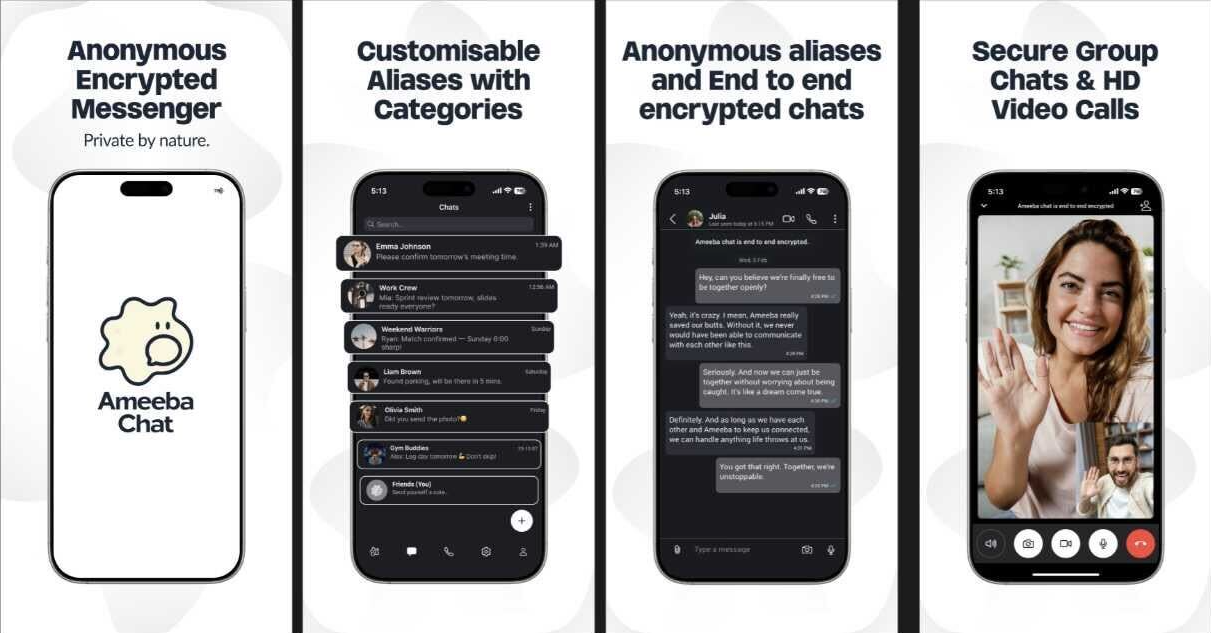
 Escape the Surveillance Era
Most apps won’t tell you the truth.
They’re part of the problem.
Phone numbers. Emails. Profiles. Logs.
It’s all fuel for surveillance.
Ameeba Chat gives you a way out.
- • No phone number
- • No email
- • No personal info
- • Anonymous aliases
- • End-to-end encrypted
Chat without a trace.
Product | Affected Versions
Data Modem A | All versions up to 2.0
Data Modem B | Versions 1.2 to 1.8
How the Exploit Works
The vulnerability exists due to a flaw in the DTLS handshake process in the affected data modems. An attacker can send specially crafted packets during this handshake process, causing a transient DOS condition. This disruption can then be leveraged to execute further attacks, potentially leading to system compromise or data leakage.
Conceptual Example Code
Below is a conceptual example of how an attacker might exploit this vulnerability. This pseudocode represents an attacker sending a malicious packet during the DTLS handshake:
import socket
target = ('target.example.com', 443)
sock = socket.socket(socket.AF_INET, socket.SOCK_DGRAM)
sock.connect(target)
malicious_payload = b'\x16\xfe\xff\x00\x00\x00\x00\x00\x00\x00\x00\x01\x00\x40\x01\x00\x00\x3c\xfe\xff\x00\x00\x00\x00\x00\x00\x00\x00\x00\x00\x3c\x00\x00\x00\x00\x00\x00\x00\x00\x00\x00\x00\x00\x00\x00\x00\x00\x00\x00\x00\x00\x00\x00\x00\x00\x00\x00\x00\x00\x00\x00...'
sock.send(malicious_payload)
The actual payload would vary, and would be specifically crafted to exploit the vulnerability in the DTLS handshake process.
