
Overview
This report focuses on the recent discovery of a potentially severe vulnerability, tagged as CVE-2023-32888, present in Modem IMS Call UA. This vulnerability could lead to an out-of-bounds write due to a missing bounds check, potentially resulting in a remote denial of service. The vulnerability is critical as no additional execution privileges are required, and user interaction is not necessary for exploitation, meaning systems could be compromised or data leaked without the knowledge or intervention of the user.
Vulnerability Summary
CVE ID: CVE-2023-32888
Severity: High (7.5 CVSS Score)
Attack Vector: Network
Privileges Required: None
User Interaction: None
Impact: Potential system compromise or data leakage
Affected Products
 Escape the Surveillance Era
Most apps won’t tell you the truth.
They’re part of the problem.
Phone numbers. Emails. Profiles. Logs.
It’s all fuel for surveillance.
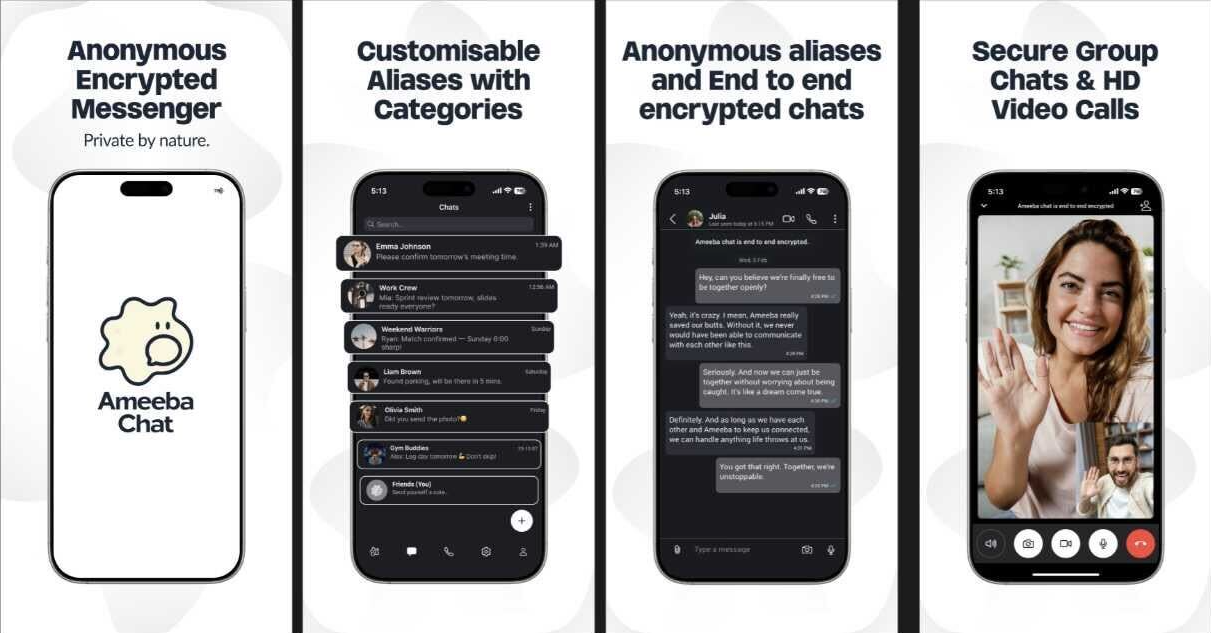
Ameeba Chat gives you a way out.
- • No phone number
- • No email
- • No personal info
- • Anonymous aliases
- • End-to-end encrypted
Chat without a trace.
Product | Affected Versions
Modem IMS Call UA | All previous versions before Patch MOLY01161830
How the Exploit Works
The exploit takes advantage of an issue in Modem IMS Call UA, where a missing bounds check enables an out-of-bounds write. An attacker, with no additional execution privileges, can craft and send specially designed packets to the target system to trigger this vulnerability. This could lead to a denial of service condition or even a potential system compromise or data leakage.
Conceptual Example Code
An exploit might involve the sending of malicious packets as shown in the below pseudo-code:
import socket
def exploit(target_ip, target_port):
sock = socket.socket(socket.AF_INET, socket.SOCK_STREAM)
sock.connect((target_ip, target_port))
# Create a malicious payload that exceeds the expected bounds
payload = b"A" * 1024
# Send the payload
sock.send(payload)
sock.close()
# Example usage
exploit('192.168.1.1', 1234)
The above code is a conceptual example of exploiting the vulnerability. The actual exploitation would depend on various factors such as the specific implementation of the target system and the nature of the malicious payload.
