
Overview
The vulnerability CVE-2023-32886 is an issue identified in the Modem IMS SMS UA that could lead to a remote Denial of Service (DoS) attack. Given the essential role of the Modem IMS SMS UA in modern communication, this vulnerability could have far-reaching and severe implications for affected users, potentially leading to system compromise and data leakage.
Vulnerability Summary
CVE ID: CVE-2023-32886
Severity: High (7.5 CVSS Score)
Attack Vector: Remote
Privileges Required: None
User Interaction: None
Impact: Remote denial of service, potential system compromise or data leakage
Affected Products
 Escape the Surveillance Era
Most apps won’t tell you the truth.
They’re part of the problem.
Phone numbers. Emails. Profiles. Logs.
It’s all fuel for surveillance.
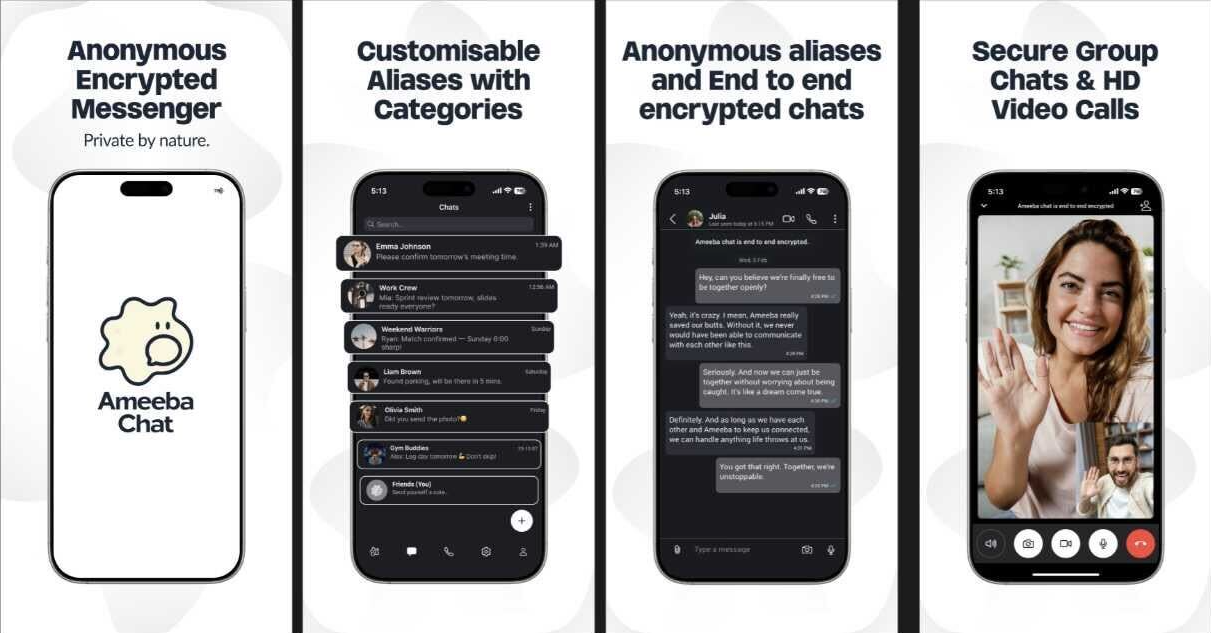
Ameeba Chat gives you a way out.
- • No phone number
- • No email
- • No personal info
- • Anonymous aliases
- • End-to-end encrypted
Chat without a trace.
Product | Affected Versions
Modem IMS SMS UA | All versions prior to patch MOLY00730807
How the Exploit Works
The exploit takes advantage of a missing bounds check in Modem IMS SMS UA. In the absence of this check, an attacker can send specially crafted SMS messages that cause an out of bounds write. This could lead to a remote Denial of Service attack, where the system becomes unresponsive or crashes. In some scenarios, the attacker could potentially gain unauthorized access to the system or cause data leakage.
Conceptual Example Code
Here’s a conceptual example of how the vulnerability might be exploited. In this scenario, the attacker sends a malicious SMS message to the target system:
POST /sms/send HTTP/1.1
Host: target.example.com
Content-Type: application/json
{ "to": "<target number>", "message": "<malicious payload>" }
This is a conceptual example, and the actual exploit would involve a well-crafted payload that triggers the out of bounds write.
Mitigation
Users are advised to apply the vendor patch identified as MOLY00730807. If the patch cannot be applied immediately, using a Web Application Firewall (WAF) or Intrusion Detection System (IDS) can serve as a temporary mitigation measure. It’s essential to keep the devices and software up to date to prevent falling victim to such vulnerabilities.
