
Overview
The vulnerability being analyzed herein is CVE-2023-27098, which pertains to TP-Link Tapo APK up to v2.12.703. This vulnerability is significant because it allows unauthorized access to the login panel due to hardcoded credentials. It affects all users of the mentioned APK version, potentially leading to system compromise or data leakage.
Vulnerability Summary
CVE ID: CVE-2023-27098
Severity: High (CVSS: 7.5)
Attack Vector: Network
Privileges Required: None
User Interaction: None
Impact: System compromise, potential data leakage
Affected Products
 Escape the Surveillance Era
Most apps won’t tell you the truth.
They’re part of the problem.
Phone numbers. Emails. Profiles. Logs.
It’s all fuel for surveillance.
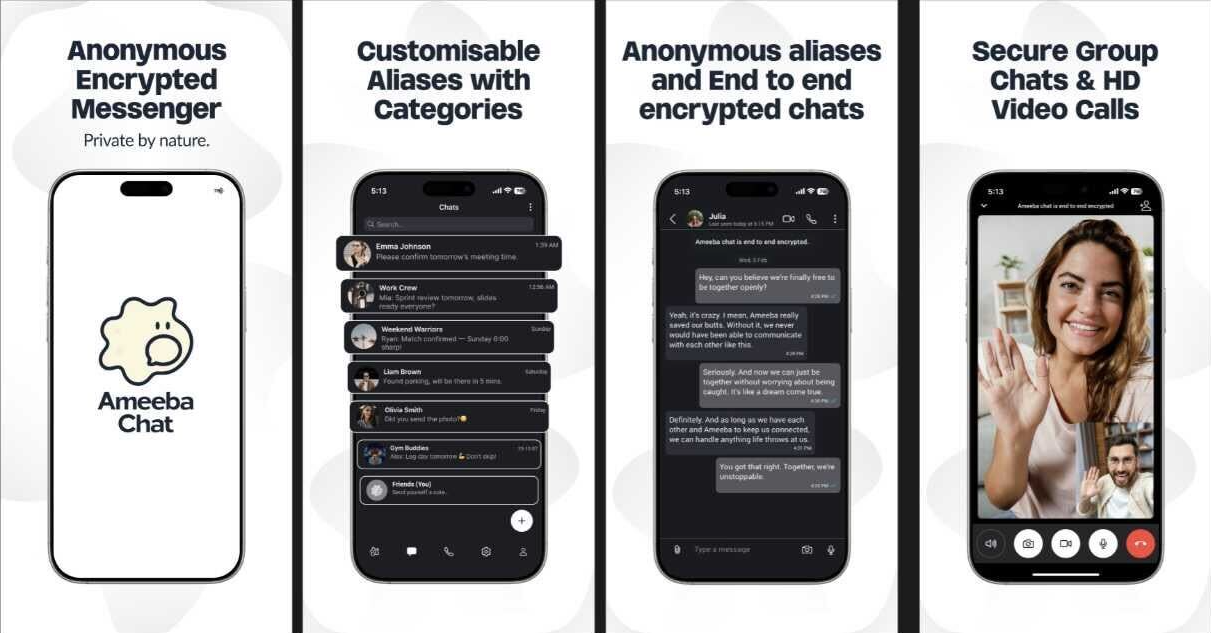
Ameeba Chat gives you a way out.
- • No phone number
- • No email
- • No personal info
- • Anonymous aliases
- • End-to-end encrypted
Chat without a trace.
Product | Affected Versions
TP-Link Tapo APK | Up to v2.12.703
How the Exploit Works
The exploit works by leveraging hardcoded credentials within the TP-Link Tapo APK. An attacker can gain unauthorized access to the login panel, potentially compromising the system and leading to data leakage. Hardcoded credentials present a significant security risk as they cannot be changed by the user and can be exploited if they are discovered by a malicious actor.
Conceptual Example Code
Below is a conceptual example of how this vulnerability might be exploited. In this case, an HTTP request is sent to the login panel of the TP-Link Tapo APK:
POST /login HTTP/1.1
Host: tplink.example.com
Content-Type: application/json
{ "username": "hardcoded_username", "password": "hardcoded_password" }
Once unauthorized access is gained, the attacker could potentially compromise the system or cause data leakage.
Mitigation
To mitigate the risk of the CVE-2023-27098 vulnerability, users should apply the vendor patch as soon as it becomes available. As a temporary measure, the use of a Web Application Firewall (WAF) or Intrusion Detection System (IDS) can help protect against potential exploitation of this vulnerability. However, these measures should not replace the application of the vendor patch, which provides a comprehensive solution to the vulnerability.
