
Overview
The vulnerability CVE-2018-25112 is a critical flaw where an unauthenticated remote attacker can exploit uncontrolled resource consumption in the IEC 61131 program of the affected products. This can lead to a Denial-of-Service (DoS) of the device, hampering its functionality. This vulnerability poses a significant threat to organizations using affected products, as it can result in potential system compromise or data leakage.
Vulnerability Summary
CVE ID: CVE-2018-25112
Severity: High (CVSS: 7.5)
Attack Vector: Network
Privileges Required: None
User Interaction: None
Impact: Potential system compromise and data leakage due to Denial-of-Service (DoS)
Affected Products
 Escape the Surveillance Era
Most apps won’t tell you the truth.
They’re part of the problem.
Phone numbers. Emails. Profiles. Logs.
It’s all fuel for surveillance.
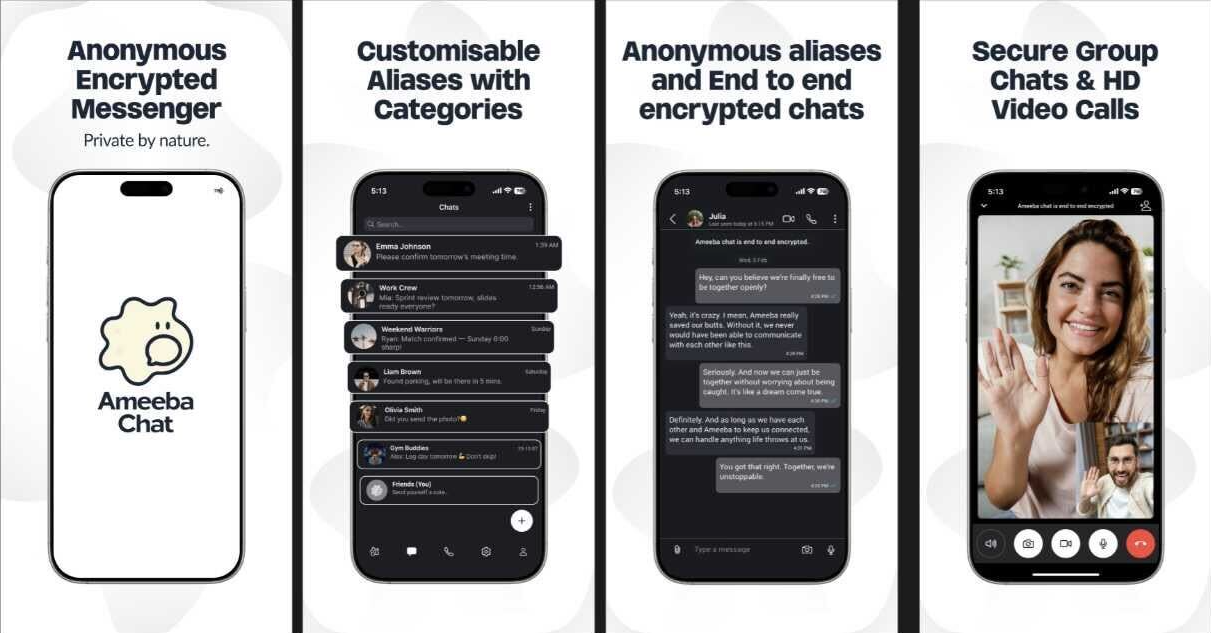
Ameeba Chat gives you a way out.
- • No phone number
- • No email
- • No personal info
- • Anonymous aliases
- • End-to-end encrypted
Chat without a trace.
Product | Affected Versions
IEC 61131 | All versions before the vendor patch
How the Exploit Works
The vulnerability arises due to uncontrolled resource consumption in the IEC 61131 program. An unauthenticated remote attacker can flood the network with large amounts of traffic that the ILC has to handle. This excessive load on the system can lead to a Denial-of-Service, thus rendering the device unusable. This can potentially lead to system compromise and data leakage.
Conceptual Example Code
Here’s a conceptual example of how an attacker might generate large amounts of traffic to exploit this vulnerability:
for i in {1..100000}
do
curl -X POST http://target.example.com/vulnerable_endpoint -d "{ \"data\": \"$i\" }" &
done
In this example, the attacker uses a simple shell script to repeatedly send HTTP POST requests to the vulnerable endpoint.
Mitigation Guidance
To mitigate this vulnerability, it is recommended to apply the latest patches provided by the vendor. Until patches can be applied, use a Web Application Firewall (WAF) or Intrusion Detection System (IDS) as temporary mitigation. Regularly update and patch systems to prevent exploitation of known vulnerabilities.
